Humans have always found ways to move in rhythm together. My research asks: what happens to our sense of self and our social world when we do?
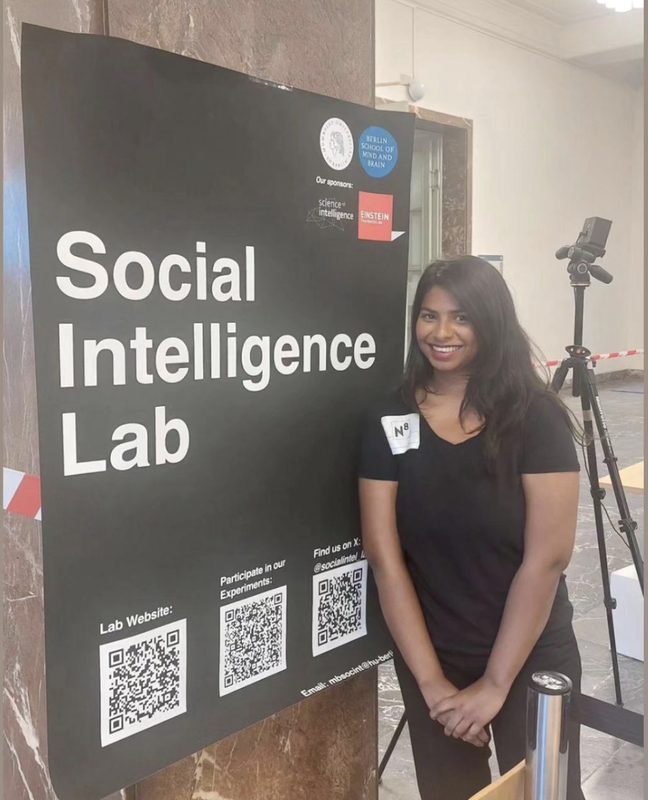
I am a postdoctoral researcher at the Social Intelligence Lab at the Berlin School of Mind and Brain.
Two online experiments demonstrate that moving in synchrony with virtual avatars blurs self–other boundaries. Using an avatar-mediated desktop interface, participants reported greater overlap in their sense of self with synchronous agents.
Read Paper Read Pre-printUsing immersive virtual reality, we show that synchrony acts as a communal social cue that opens the door to group influence. Synchronous marching with virtual agents increases conformity on perceptual decision-making — particularly on difficult trials.
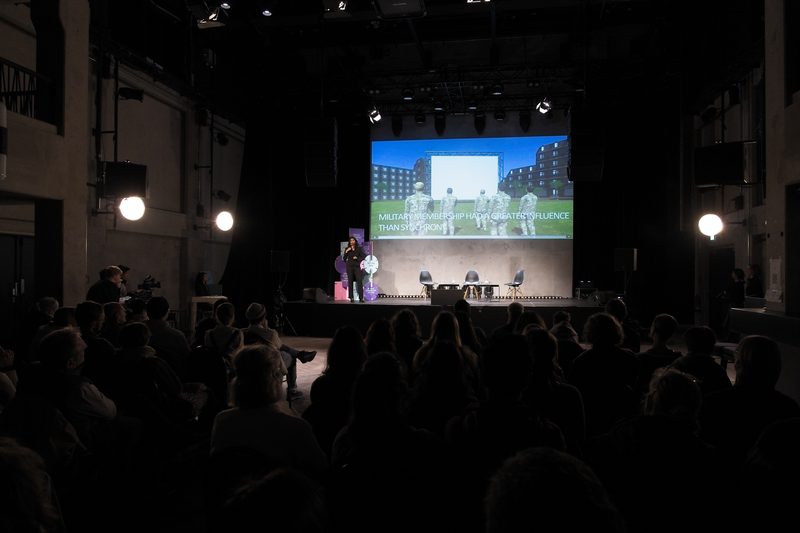
Read Pre-printIn collaboration with the Royal Military Academy of Brussels and Ghent University, this VR study contrasts synchrony against pre-existing group identity. Military cadets and civilian students marched with in-group or out-group avatars — exhibiting that identity shapes conformity in ways synchrony alone cannot.
In PreparationAwarded by Science Magazine and the AAAS for outstanding science communication through dance.
Awarded by Humboldt-Universität zu Berlin in recognition of doctoral research.
Multi-institutional collaboration with Ghent University & the Royal Military Academy of Brussels.
German Government scholarship to pursue a PhD combining virtual reality and motion capture with cognitive neuroscience and experimental psychology.
Winner of the 2025 Dance Your PhD contest (Social Sciences category), awarded by Science Magazine and the AAAS. The film translates four years of synchrony research into movement. Covered by international press across eight countries.
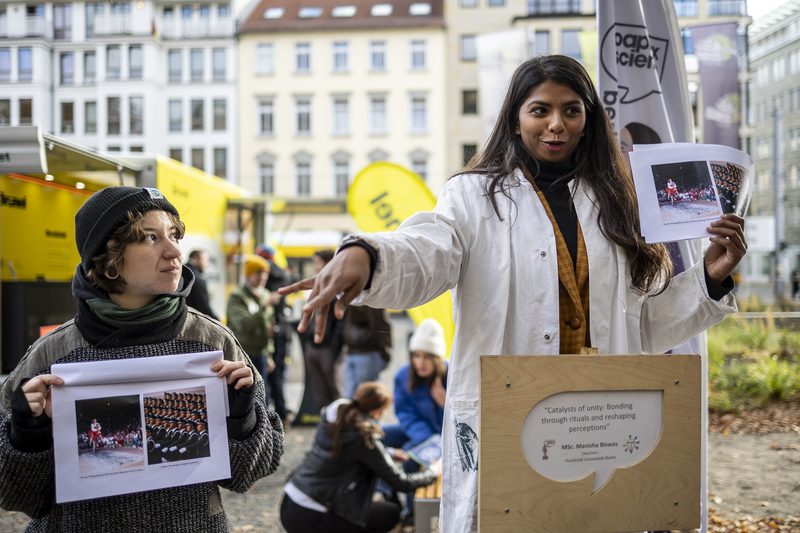
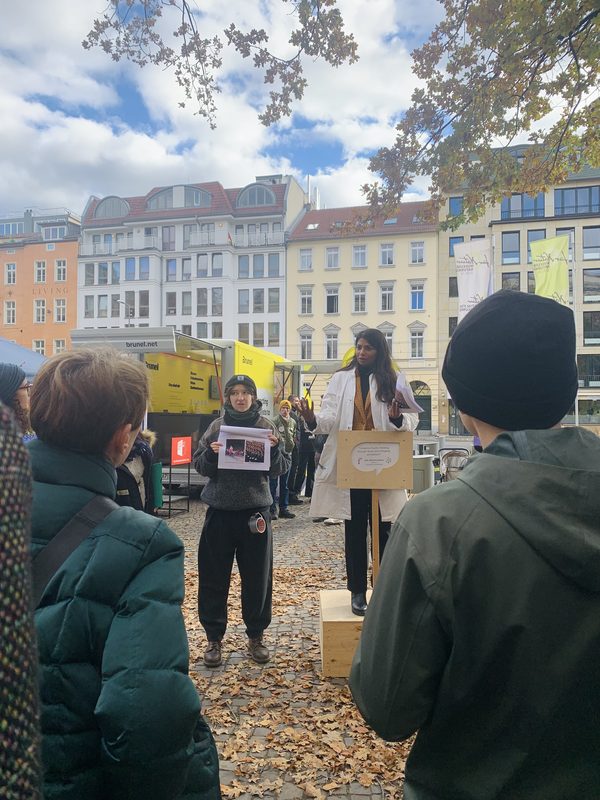
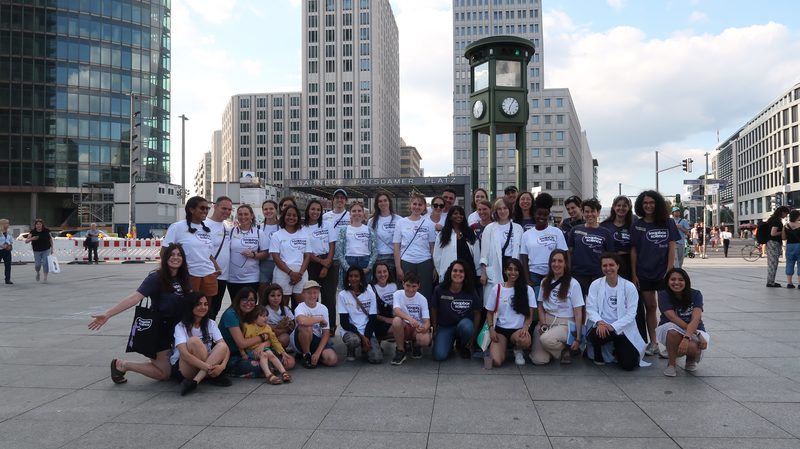
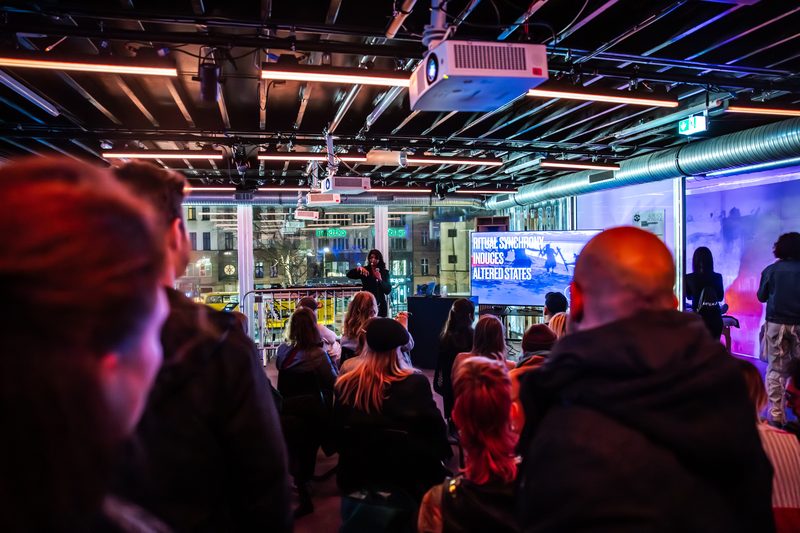
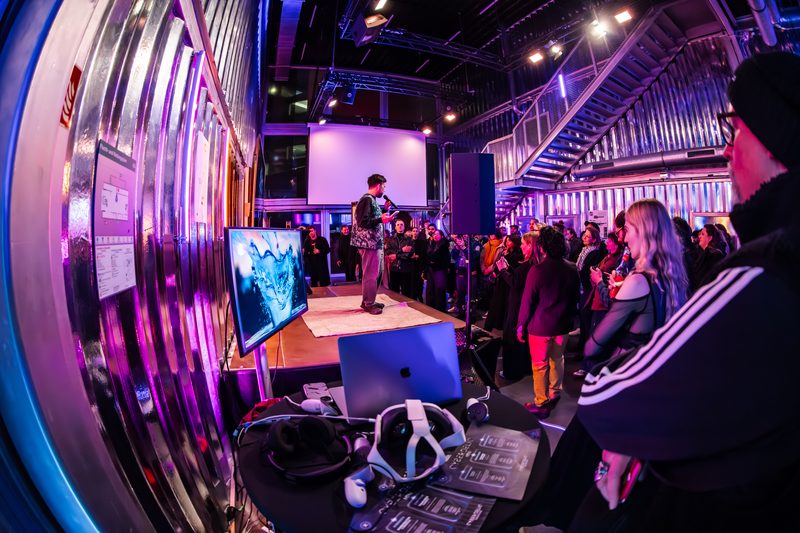
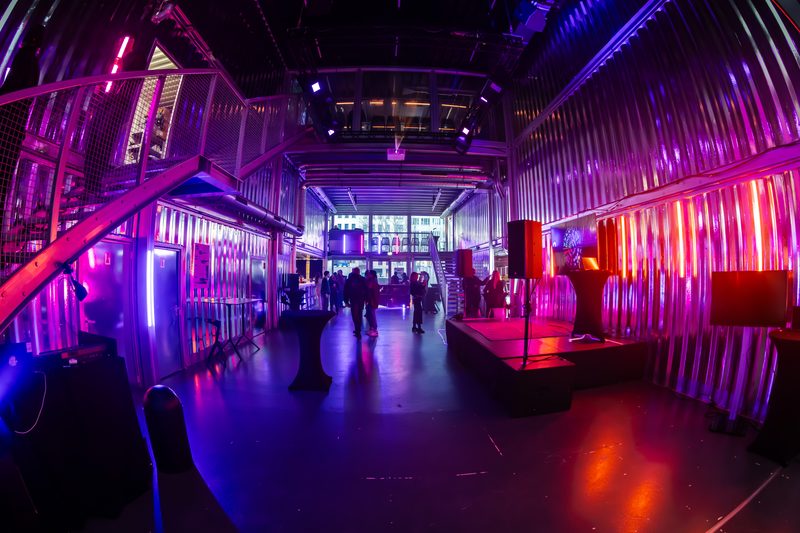
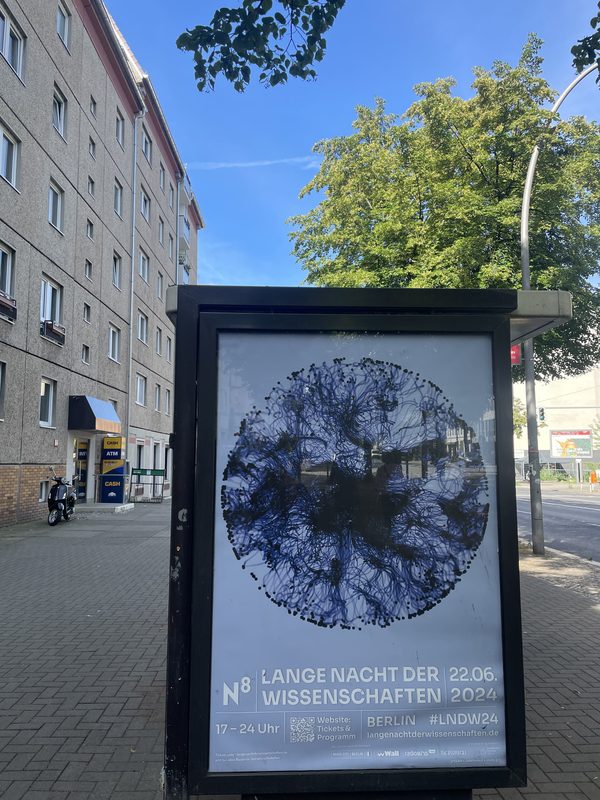
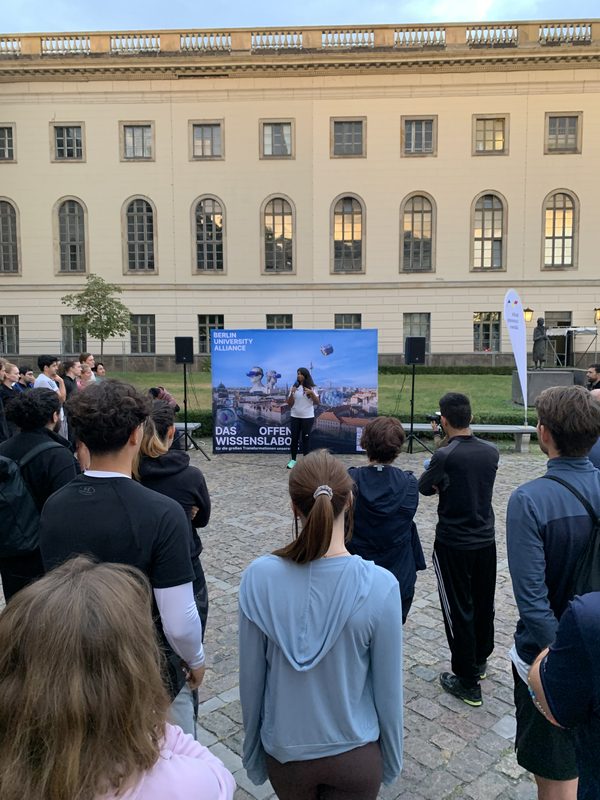
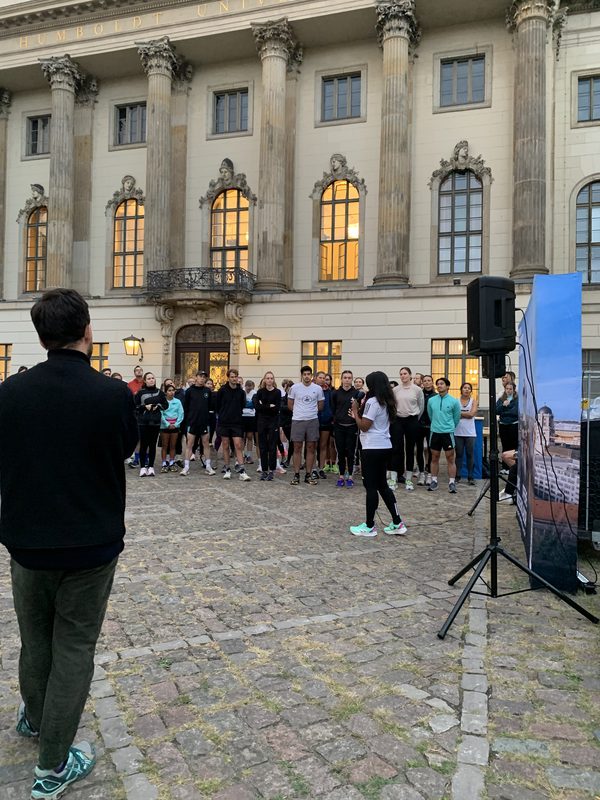
Read the feature Watch the full videoI am deeply invested in bringing the knowledge produced in labs directly to the public. A two-way dialogue with different stakeholders is essential to scientific progress.
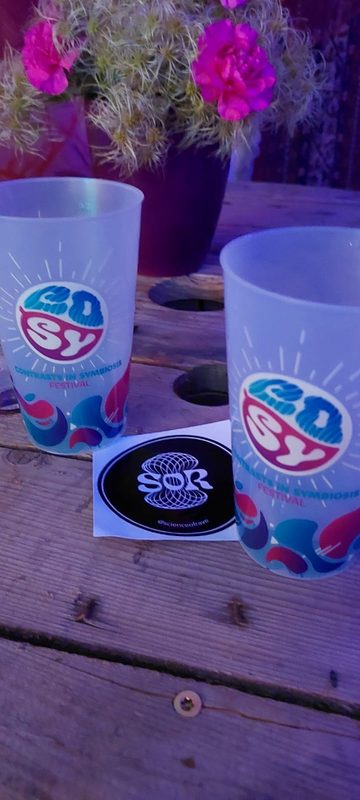
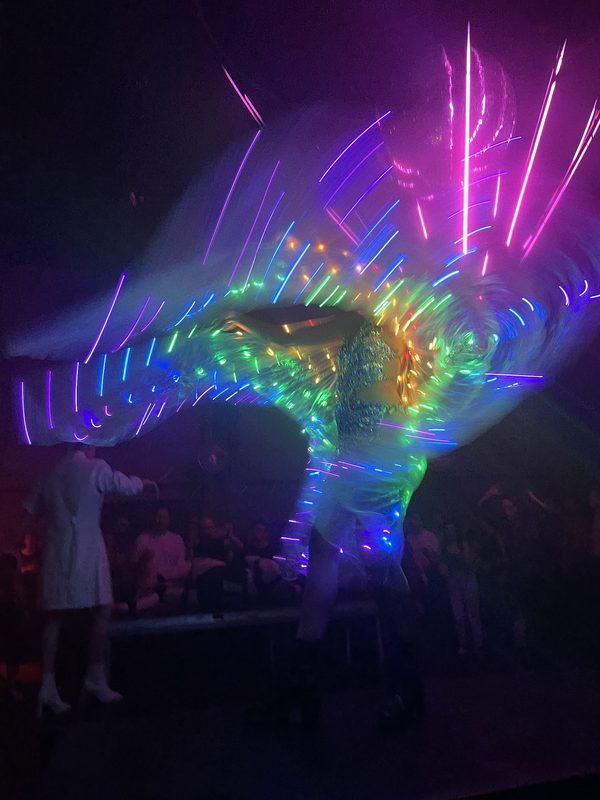
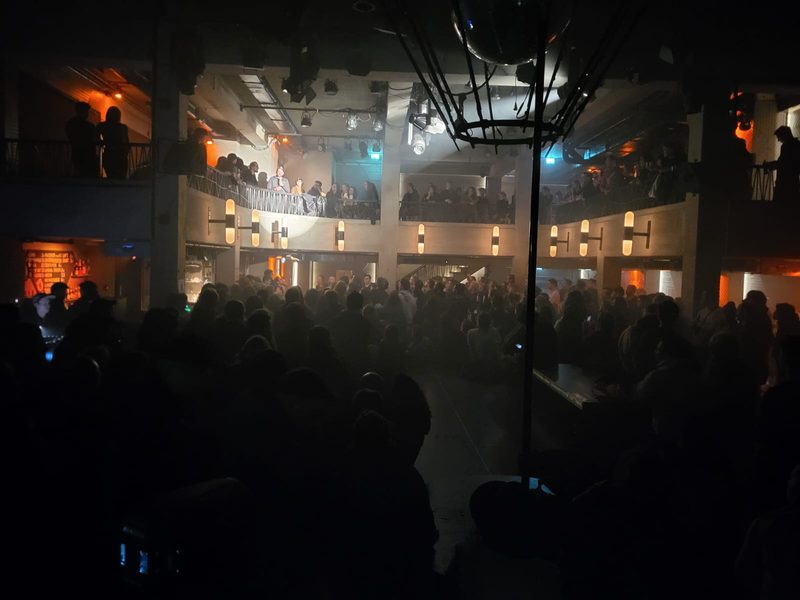
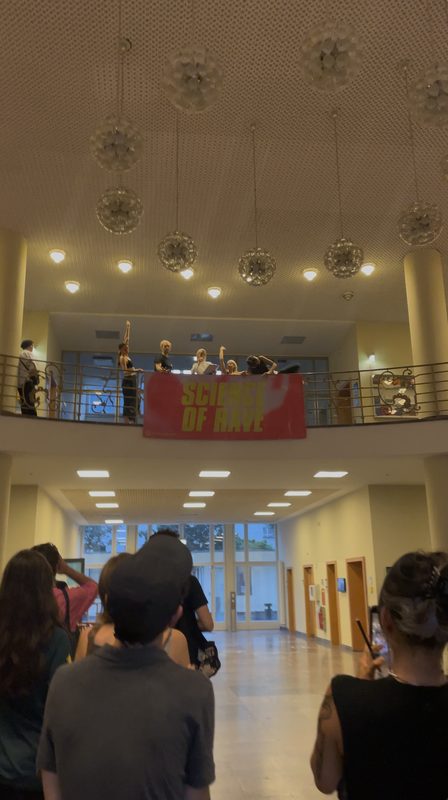
What happens when hundreds of bodies move to one beat? This field study measures cardiac synchrony across dancers and DJs in live rave settings. How does the DJ's own physiology relate to the crowd's? And does experience with rave culture change how deeply you synchronise?
We are currently seeking funding partnerships for this project.
I'd love to hear from you if you're interested in research collaborations, science communication partnerships, public lectures, just want to talk about synchrony, or are a student interested in these projects.
Contact me at: